
Panna National Park
About
Characterized by the deep gorges of the Ken River and dramatic waterfalls, Panna is a rugged paradise in central India. It is a top-rated Tiger Reserve that combines wilderness with cultural heritage near the Khajuraho temples.
History
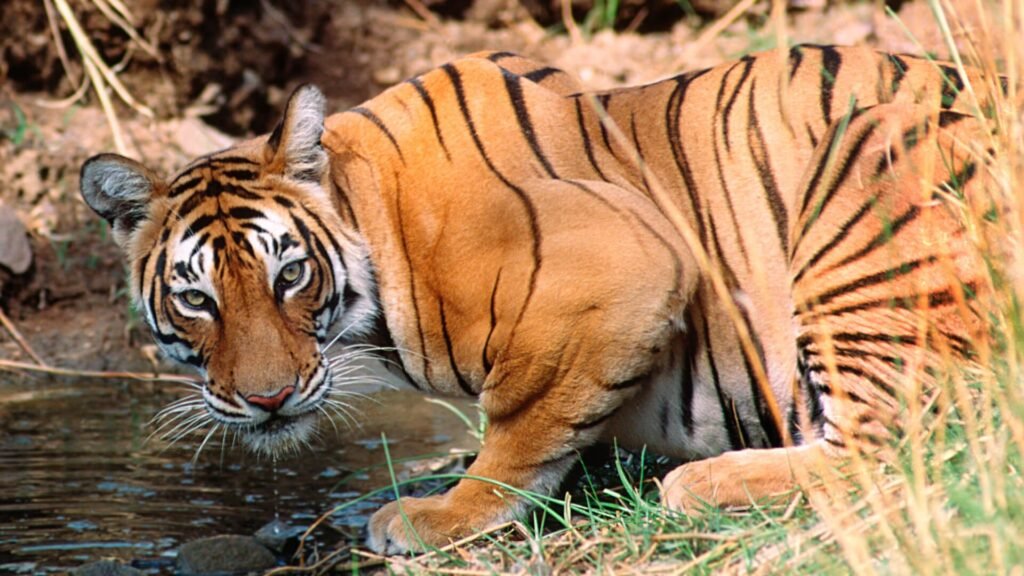
Panna is celebrated in the conservation world for its Tiger Reintroduction Project; after losing its entire tiger population in 2009, the park successfully rebuilt its numbers to over 50 tigers within a decade.
Wildlife of Panna
- Royal Bengal Tiger: Panna is the world’s most successful “Tiger Reintroduction” site. After being declared tiger-less in 2009, it now thrives with over 80+ tigers in 2026.
- Indian Leopard: These cats are the “Masters of the Escarpments” here. Because of the open, rocky terrain, leopard sightings in Panna are often considered more frequent and easier than in the dense jungles of Kanha.
- Gharial: A critically endangered, long-snouted, fish-eating crocodile. The Ken Gharial Sanctuary within the park is one of the few places on earth to see them in their natural habitat.
- Vultures (The Seven Species): Panna is one of the last strongholds for Indian vultures. You can see up to seven species, including the King Vulture and Long-billed Vulture, nesting on the dramatic cliffs of the Ken River.
- Sloth Bear: These shaggy bears love the rocky caves of the Hinota range. They are best spotted during early morning or late evening safaris near the Mahua trees.
- Chinkara (Indian Gazelle): The “Ballerina of the Desert.” While rare in other Madhya Pradesh parks, the dry, open plateaus of Panna are the perfect playground for these graceful antelopes.
Safari Zones
- Madla Zone: The most famous and “premium” zone. It is preferred for its proximity to Khajuraho (only 25 km away) and its diverse landscape of grasslands and riverine areas along the Ken River. It has the highest tiger sighting records.
- Hinota Zone: Characterized by rugged, rocky terrain and dry deciduous forests. It is excellent for spotting Sloth Bears and Leopards. It also features the beautiful Dhunwa Falls.
- Akola Core: Recently introduced as a core zone, it offers a more “offbeat” feel with fewer vehicles and a high probability of spotting tigers and leopards in a pristine setting.
Best Time to Visit
- November to February: The weather is pleasant (10°C to 25°C). Thousands of migratory birds arrive, making it a paradise for photographers.
- March to May): This is the best time for tiger and rhino sightings. The forest department often burns the tall “Elephant Grass” during this time, significantly increasing visibility across the plains.
- June to September: The park remains closed during the monsoon due to heavy rains and the risk of the Manas River flooding.
Safari Timings
- Morning Safari: 6:30 AM – 11:00 AM
- Afternoon Safari: 2:30 PM – 6:30 PM
Skip the booking stress and dive straight
Secure your spot in the wild instantly with Safari Sutra