
Bandhavgarh National park
About
Bandhavgarh is characterized by steep rocky hills and flat-topped “Tableland” mountains. This park offers the highest tiger density in India, ensuring that the gene pool is robust, though its geographical isolation makes wildlife corridors vital for genetic health.
History
The park is steeped in mythology; legend says the fort atop the hill was gifted by Lord Rama to his brother Lakshmana. It is historically significant as the place where the lineage of white tigers began, following the capture of the first white tiger, Mohan, in 1951.
Wildlife in Bandhavgarh
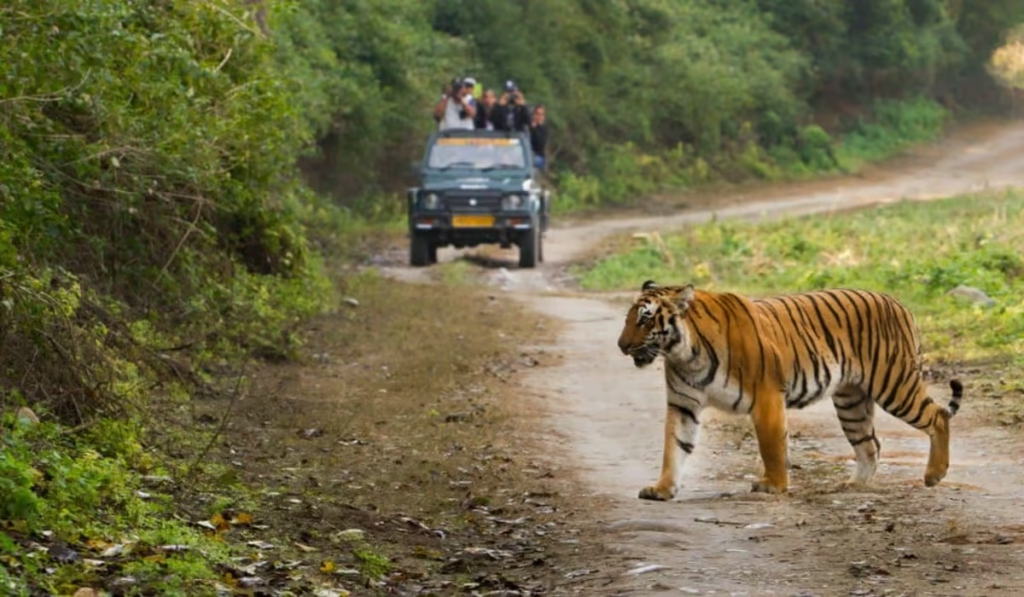
- Tigers: Often seen “patrolling” the fort’s ancient pathways or resting near the Shesh Shaiya Vishnu statue.
- Vultures: The steep sandstone cliffs are vital nesting grounds for the Long-billed and White-backed Vultures.
- Leopards: These stealthy cats prefer the fort’s rocky caves (like Bari Gufa) and dense hillside foliage.
- Primates: Large troops of Hanuman Langurs and Rhesus Macaques live among the ruins and sound alarms for predators.
- Reptiles: The ancient stone walls provide ideal habitats for Indian Rock Pythons and Monitor Lizards.
Zones
- Tala Zone (Zone 1): The premium, most scenic zone featuring the ancient Bandhavgarh Fort, 10th-century ruins, and the highest density of tigers.
- Magadhi Zone (Zone 2): Known as the “Tiger Corridor,” this zone offers a mix of grasslands and dense forests with excellent predator sighting opportunities.
- Khitauli Zone (Zone 3): A birdwatcher’s paradise characterized by dry deciduous forests and frequent sightings of Sloth Bears and leopards.
- Dhamokhar Zone (Buffer): An extension of Magadhi that is popular for its night safaris and sightings of Sloth Bears and leopards.
- Panpatha Zone (Buffer): A scenic forest area known for its bamboo cover and sightings of Wild Dogs (Dhole) and Chinkara.
- Johila Zone (Buffer): A landscape famous for the Johila waterfall, offering a tranquil environment for nature walks and scenic drives.
Best Time to Visit
- October – June Park open for visitors
- November – February Pleasant weather, best for photography
- March – May Hot, but highest chances of tiger sightings
- July – September closed for visitors
Safari Timings
- Morning Safari: 6:00 AM – 10:00 AM
Afternoon Safari: 2:30 PM – 6:30 PM
(Timings vary slightly with season)
Skip the booking stress and dive straight
Secure your spot in the wild instantly with Safari Sutra