
Dudhwa National Park
About
A classic example of the “Terai” ecosystem, Dudhwa features massive Sal forests, swampy marshes, and sprawling grasslands along the Nepal border. It is one of the few places in India where you can find five species of deer and a thriving population of the endangered Greater One-horned Rhinoceros.
History
The park owes its existence to the legendary conservationist Billy Arjan Singh, who lobbied the government to convert his private hunting grounds into a sanctuary. He is famous for his “Tiger Haven” farm and for hand-rearing a tigress named Tara and releasing her into the wild here.
Wildlife in Pench national park
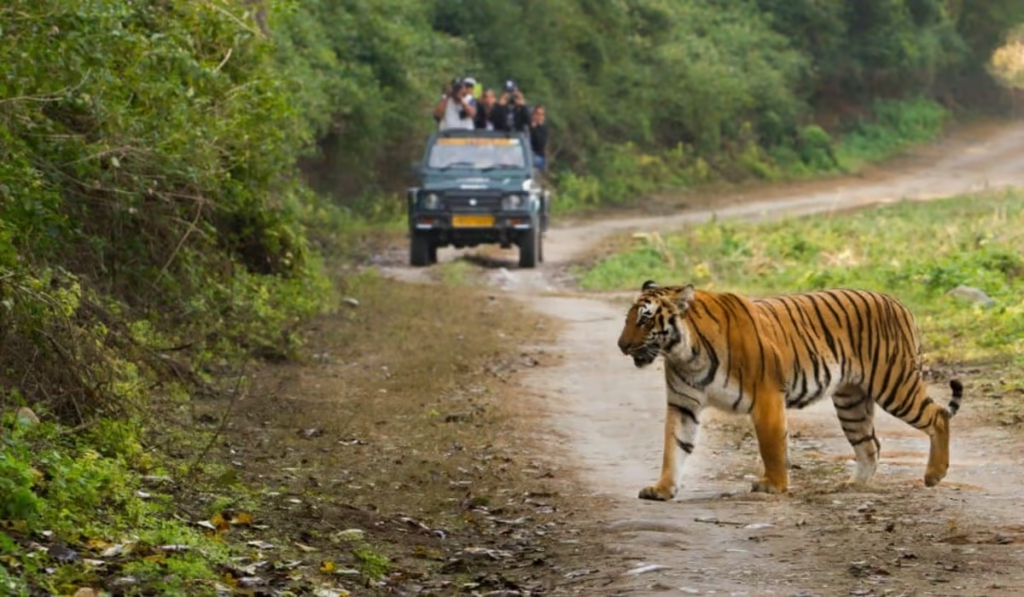
- Royal Bengal Tiger: The apex predator of the Terai; known for being elusive in the dense Sal forests.
- Great Indian One-Horned Rhinoceros: Reintroduced in 1984, they are now a major attraction, primarily found in the Sonaripur range.
- Swamp Deer (Barasingha): Dudhwa is the stronghold for this species; it holds about half of the world’s total population.
- Asian Elephant: Large herds migrate across the border from Nepal and can often be seen near the water bodies.
- Indian Leopard: Frequently spotted in the Kishanpur and Katarniaghat zones.
- Bengal Florican: One of the rarest birds in the world, this ground-dwelling bird is a “holy grail” for birdwatchers in Dudhwa.
Safari Zones in Dudhwa
- Dudhwa Zone (Central): Famous for its sprawling grasslands and high chances of seeing Tigers and Elephants.
- Sonaripur Zone: The exclusive Rhino zone.
- Kishanpur Zone: Located about 30km from the main park, this zone is legendary for Tiger sightings and incredible birdlife near the Jhaadi Taal lake.
- Katarniaghat Zone: A “Water Kingdom” where you can see Gharials, Marsh Crocodiles, and even the rare Gangetic Dolphins via boat safaris on the Girwa River.
- Sathiyana Zone: A quiet, scenic zone known for its beautiful landscape and sightings of Barasingha.
Best Time to Visit
- March to May: As the weather gets hotter, animals gather around the remaining water bodies (Tals), making it the best time for photography.
- November to February: Beautiful misty mornings and pleasant afternoons. Great for birdwatching, though you’ll need heavy woolens for the morning safari.
- Avoid: The monsoon season (July to October)
Safari Timings
- Morning Safari: 6:30 AM – 11:00 AM
- Afternoon Safari: 2:30 PM – 6:30 PM
Skip the booking stress and dive straight
Secure your spot in the wild instantly with Safari Sutra