
Hemis National Park
About
Spanning a massive area in the cold desert of Ladakh, this is the largest national park in India and the only one located north of the main Himalayan range. It is characterized by stark, rocky mountains, alpine tundra, and vast valleys that provide a dramatic backdrop for high-altitude wildlife photography.
History
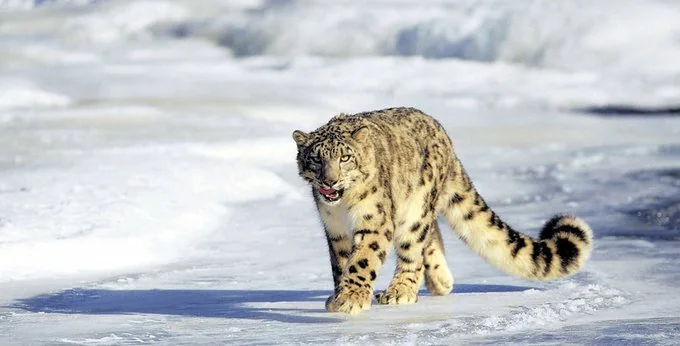
Established in 1981, it is named after the famous Hemis Gompa, a 400-year-old Tibetan Buddhist monastery located within the park. It gained global fame as the “Snow Leopard Capital of the World” due to its high density of these elusive “ghosts of the mountains.”
Wildlife in Pench national park
- Snow Leopard (The Grey Ghost): Hemis is known as the “Snow Leopard Capital of the World.
- Bharal (Blue Sheep): Neither a true sheep nor a goat, their slate-blue coat provides perfect camouflage against the grey rocks.
- Tibetan Wolf: A powerful high-altitude predator that travels in packs. They are larger than the wolves found in the plains and have a thick, woolly coat to survive the Ladakhi winter.
- Asiatic Ibex: A majestic wild goat with massive, backward-curving horns. They are expert climbers and are usually spotted on steep, rocky ridges.
- Ladakhi Urial (Shapu): Hemis is the only place in India where you can find this rare species of wild sheep. They prefer the grassy slopes of the lower valleys.
- Himalayan Brown Bear: One of the largest carnivores in the park.
Zones
- Rumbak Valley (The Snow Leopard Zone): Known as the “Snow Leopard Capital of the World,” it offers the best success rate for sightings, especially during winter (January–March).
- Markha Valley (The Scenic Zone): Dramatic and a classic trekking route that takes you through remote Buddhist villages and offers stunning views of the Kang Yatse peak.
- Shang Valley (The Birding & Ibex Zone): Best For Spotting the Asiatic Ibex and high-altitude birds like the Golden Eagle and Himalayan Griffon.
- Stok Valley (The High-Altitude Zone): Best For Seeing the Tibetan Wolf and marmots.
Best Time to Visit
- January to March prime season, As heavy snow covers the high peaks, the Snow Leopard’s prey (Blue Sheep and Ibex) descends to the lower valleys in search of food.
- June to September The mountain passes are clear of snow, and the weather is pleasant for long-distance trekking (like the Markha Valley trek).
Safari Timings
- Morning Safari: 6:30 AM – 11:00 AM
- Afternoon Safari: 2:30 PM – 6:30 PM
Skip the booking stress and dive straight
Secure your spot in the wild instantly with Safari Sutra