
Jawai Bandh Leopard Conservation Reserve
About
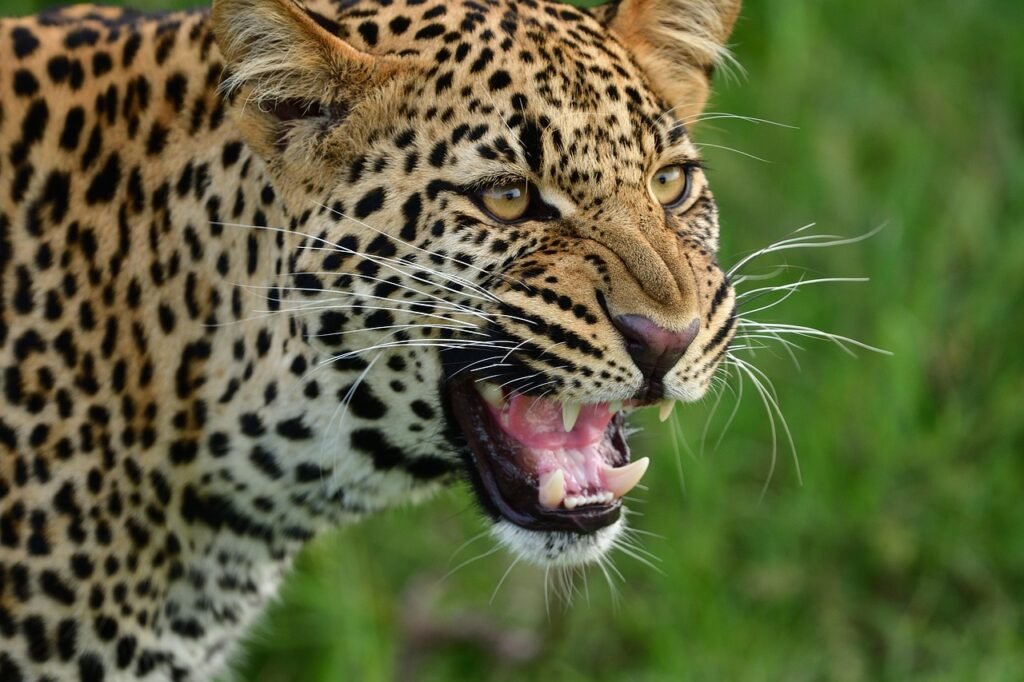
Jawai is a breathtaking landscape of billion-year-old granite formations and scrubland that has earned the title of the “Leopard Capital of India.” Unlike traditional national parks with high fences and gates, Jawai is a Conservation Reserve where leopards live in extraordinary proximity to humans, often seen resting on temple steps or near village outskirts during the day.
This unique ecosystem is anchored by the massive Jawai Bandh, which attracts hundreds of crocodiles and a vibrant array of migratory birds like flamingos, making it a rare desert-wetland paradise where nature and culture are inseparable.
History
The history of the region is a blend of ancient geology and royal vision, centered on the Jawai Dam, which was commissioned in 1946 by Maharaja Umaid Singh of Jodhpur. Built to save the Pali district from drought and floods, the dam was completed in 1957 and became the largest reservoir in Western Rajasthan, fundamentally changing the area’s ecology by providing a permanent water source.
For centuries, the indigenous Rabari tribe has served as the unofficial guardians of the land; their deep spiritual belief that leopards are sacred incarnations of the goddess Ambe Mata has fostered a legendary era of peaceful coexistence, eventually leading to the area’s formal notification as a protected reserve in 2010.
Wildlife
- Indian Leopard: The world’s most famous “hill leopards” that live in caves.
- Mugger Crocodile: Massive populations basking on the dam’s shores.
- Striped Hyena: Often seen at dusk on the rocky outcrops.
- Indian Wolf: Found in the scrubby plains surrounding the hills.
- Blue Bull (Nilgai): The primary prey for leopards in this region.
- Flamingos: Migratory stars of the dam during the winter months.
Safari Zones (Village Blocks)
- Bera: The “Capital” of leopards; best for temple-dwelling leopard sightings.
- Sena: Rugged, steep hills and deep caves; perfect for adventurous 4×4 tracking.
- Perwa: A quieter, forested area popular for intimate photography.
- Jawai Dam: The dedicated zone for crocodile viewing and birdwatching.
Best Time to Visit
- October to March: Peak season. Cold granite drives leopards to sunbathe on rocks all day.
- April to June: High visibility as animals converge on the shrinking dam water.
- July to September: Unique monsoon safaris the hills turn emerald green and the park remains open.
Safari Timings
- Morning Safari: 6:30 AM – 11:00 AM
- Afternoon Safari: 2:30 PM – 6:30 PM
Skip the booking stress and dive straight
Secure your spot in the wild instantly with Safari Sutra