
Manas National Park
About
A UNESCO World Heritage Site located at the foothills of the Bhutanese Himalayas, Manas is famous for its tropical evergreen forests and the Manas River. It is a “biodiversity hotspot” known for its rare and endemic species.
History
Named after the serpent goddess Manasa, it was used by the Royal Family of Cooch Behar as a hunting reserve. It survived significant civil unrest in the 1990s and has since staged a remarkable recovery in tiger and rhino populations.
Wildlife in manas national park
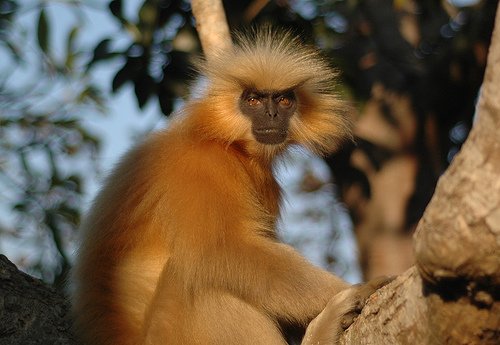
- Golden Langur: This stunning primate with silky golden fur is endemic to the region and is the star attraction of the park.
- Wild Water Buffalo: Manas is home to the world’s largest population of pure-strain wild water buffaloes.
- Pygmy Hog: This is the only place in the world where you can find this critically endangered, tiny wild pig (it’s only about 10 inches tall!).
- Royal Bengal Tiger: Manas is a significant Tiger Reserve; sightings are most common in the open grasslands.
- Great Indian One-Horned Rhino: Once wiped out due to poaching, they have been successfully reintroduced and are now thriving in the park.
- Bengal Florican: A rare, ground-dwelling bird that is a “holy grail” for birdwatchers; Manas holds its largest remaining population.
Zones
- Bansbari Range (Central Zone): The most popular and accessible zone. It features a mix of grasslands and dense forests, the only zone that offers both Jeep and Elephant Safaris.
- Bhuyanpara Range (Eastern Zone): Known for its vast alluvial grasslands. It is excellent for spotting Rhinos, Wild Buffaloes, and Tigers.
- Panbari Range (Western Zone): Primarily a dense forest area and a hilly terrain. It is the best place to spot the Golden Langur.
Best Time to Visit
November – February: The weather is cool and crisp This is when migratory birds from the Himalayas and Siberia arrive. You have the best chance to spot the Bengal Florican and the Great Hornbill in the clear winter air.
March – April : This is “Tiger and Rhino Season.” As the heat increases, the forest department performs controlled burning of the tall “Elephant Grass.” This dramatically improves visibility. Additionally, animals like Tigers, Rhinos, and Pygmy Hogs frequent the remaining water holes as the smaller
Safari Timings
- Morning Safari: 6:30 AM – 11:00 AM
- Afternoon Safari: 2:30 PM – 6:30 PM
Skip the booking stress and dive straight
Secure your spot in the wild instantly with Safari Sutra