
Nilgiri Biosphere Reserve
About
Part of the famous Nilgiri Biosphere Reserve, Bandipur is a premier destination for Tiger Safaris in South India. It features a stunning landscape of dry deciduous forests and the Western Ghats, offering high visibility for spotting large mammals.
History
Once the exclusive hunting reserve of the Maharajas of Mysore, it was established as a sanctuary in 1931. It became one of the first nine reserves to be protected under Project Tiger in 1973, playing a pivotal role in elephant and tiger conservation.
Wildlife of the Nilgiris
- Nilgiri Tahr: The state animal of Tamil Nadu; an endangered mountain goat found on the high-altitude cliffs and grasslands of Mukurthi.
- Lion-Tailed Macaque: One of the rarest primates in the world, recognizable by its silver-white mane. They live in the deep rainforests of Silent Valley.
- Asian Elephant: The Nilgiris hold one of the largest wild elephant populations in India. You’ll often see them crossing the highways in Mudumalai and Bandipur.
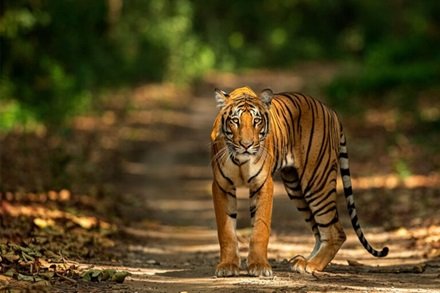
- Bengal Tiger: These parks act as a crucial corridor, hosting a very high density of tigers.
- Malabar Giant Squirrel: A purple-and-maroon hued squirrel that is much larger than common squirrels and can be seen leaping through the canopy.
- Nilgiri Langur: An endemic primate with glossy black fur and a golden-brown head, found primarily in the shola forests.
Safari Zones (Key Protected Areas)
- Mudumalai Zone (Tamil Nadu): The most popular for safaris. It is divided into Theppakadu (famous for the Elephant Camp), Masinagudi, and Kargudi. Safaris are conducted in official forest department vans and jeeps.
- Mukurthi Zone (The Trekking Zone): There are no jeep safaris here to protect the fragile Nilgiri Tahr habitat. Instead, it is a “Silent Zone” where only regulated trekking is allowed with prior permission from the Forest Department in Ooty.
- Bandipur Zone (Karnataka): Just across the river from Mudumalai, this zone is famous for its wide, open dry-deciduous forests that offer excellent visibility for tiger and leopard sightings.
- Silent Valley Zone (Kerala): Accessible via Mukkali There are no “jeep safaris” in the traditional sense; you take a forest department vehicle to the “Sairandhri” watchtower and then explore on foot.
Best Time to Visit
March to June: During the dry summer months, animals congregate around the shrinking waterholes, making it much easier to spot tigers, leopards, and large elephant herds.
October to February: The weather is cool and crisp (down to 5°C at night). The “shola” grasslands are vibrant green, and migratory birds are plenty.
Safari Timings
- Morning Safari: 6:30 AM – 11:00 AM
- Afternoon Safari: 2:30 PM – 6:30 PM
Skip the booking stress and dive straight
Secure your spot in the wild instantly with Safari Sutra