
Sanjay Gandhi National Park
About
In 2026, Sanjay Gandhi National Park (SGNP) stands as a global phenomenon—a sprawling 103km square ecosystem thriving in the heart of Mumbai’s metropolitan chaos. Known as the city’s “Green Lung,” it represents the ultimate intersection of nature and urbanization.
SGNP is the rare point where Mumbai’s jagged skyline meets the ancient, emerald basalt cliffs of the Western Ghats. It remains one of the only places on the planet where a traveler can hop off a local commuter train and, within minutes, be deep inside a leopard’s territory.
History
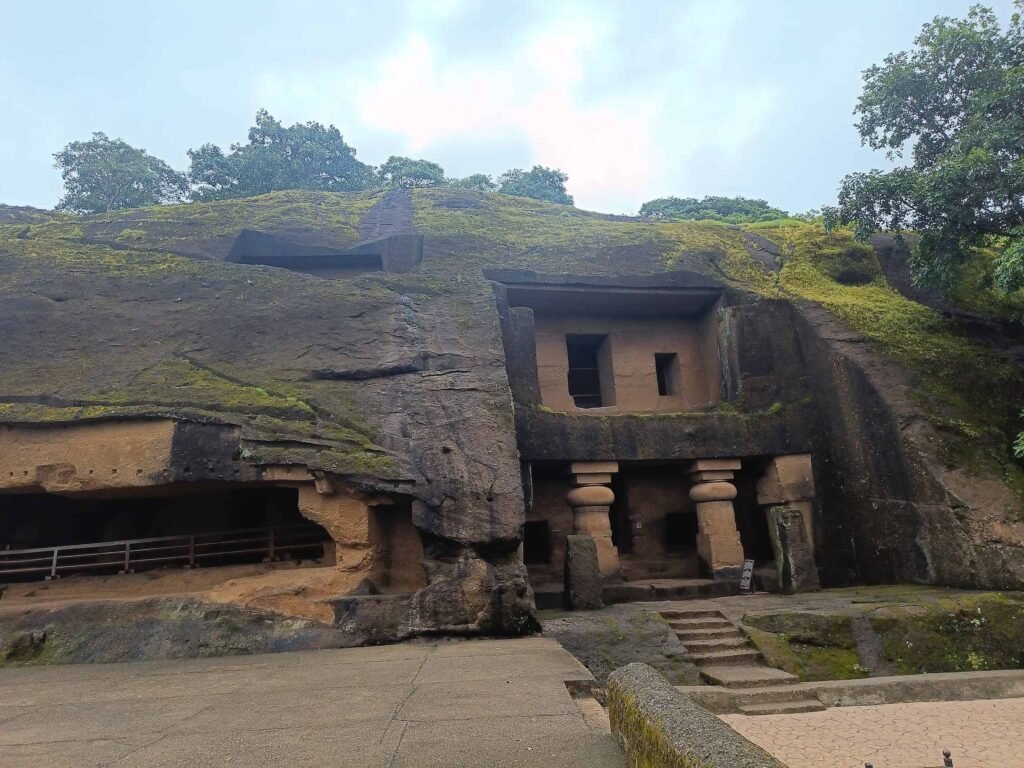
Kanheri Caves: A massive complex of 109 rock-cut Buddhist caves dating from the 1st century BCE to the 10th century CE. They served as a major Buddhist center on the ancient trade route connecting Indian ports to the Silk Road.
Name Evolution: Originally called Krishnagiri National Park (Black Mountain), it was renamed Borivali National Park in 1969, and finally Sanjay Gandhi National Park in the 1980s.
Wildlife
- Indian Leopard: The true king of SGNP. With over 50 leopards living in close proximity to human settlements, it is a global case study in human-wildlife coexistence.
- Tiger & Lion Safari: While not “wild” in the traditional sense, the park hosts a fenced safari where you can see Bengal Tigers and Asiatic Lions from the safety of a caged bus.
- Small Mammals: Home to the shy Rusty-spotted Cat (the world’s smallest cat), Spotted Deer (Chital), and Sambar.
- Birding Paradise: Over 250 species, including the Paradise Flycatcher and the majestic White-bellied Sea Eagle.
Safari zones
- The Safari Zone (Krishnagiri Upavan): The “commercial” hub near the Borivali gate. This is where you find the Tiger Safari, Lion Safari, and the “Van Rani” Toy Train (a favorite for families).
- The Heritage Zone (Kanheri): Located about 7km inside the main gate. Accessible by park buses or cycles, this zone focuses on the Kanheri Caves and the surrounding basaltic plateau.
- The Trekking Trails: For those seeking actual wilderness, the park offers regulated trails like:
- Shilonda Trail: A seasonal favorite that features stream crossings and dense forest.
- Malad Trail: Best for birdwatching and seeing the change from deciduous to semi-evergreen forest.
- Highest Point Trail: Offers a breathtaking 360° view of Mumbai and the three lakes (Tulsi, Vihar, and Powai).
Best Time to Visit
- October to February – This is the Gold Standard for visitors. The weather is cool and pleasant, making the long walk or cycle to Kanheri Caves comfortable. Wildlife is more active, and migratory birds are at their peak.
- June to September- Best for Nature Lovers. The park transforms into a vibrant green rainforest with active seasonal waterfalls. It is visually stunning but can be very humid, and trails often become muddy or slippery.
- March to May The Least Recommended time. Mumbai’s heat and humidity are at their peak, making outdoor activities like trekking or cycling exhausting.
Safari Timings
- Morning Safari: 6:30 AM – 11:00 AM
- Afternoon Safari: 2:30 PM – 6:30 PM
Skip the booking stress and dive straight
Secure your spot in the wild instantly with Safari Sutra