
Silent Valley National Park
About
This park is one of the last undisturbed tracts of tropical evergreen rain forest in the world. It is a “living laboratory” for scientists, home to rare flora and fauna that have remained untouched for centuries.
History
In the 1970s, it was the site of the historic “Save Silent Valley” movement, which successfully stopped a hydroelectric dam project and became a cornerstone of India’s modern environmental activism.
Wildlife of Silent Valley
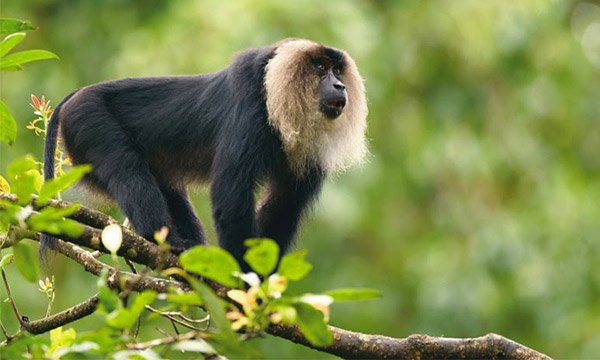
- Lion-Tailed Macaque: The flagship species. Silent Valley holds the largest viable population of these endangered, silver-maned primates in the world.
- Nilgiri Langur: A sleek, black-furred primate with a golden-brown crown; their loud “whooping” calls are a signature sound of the forest.
- Malabar Giant Squirrel: A massive, multi-colored squirrel (purple, maroon, and tan) often seen leaping through the high canopy.
- Nilgiri Tahr: Found on the higher grassy ridges and rocky cliffs of the park; they are easier to spot on the trek towards the peaks.
- Great Indian Hornbill: A majestic bird with a huge yellow beak and a massive wingspan; their heavy wingbeats can be heard even before they are seen.
- Silent Valley Torrent Toad: A rare, tiny orange-throated amphibian endemic to this specific park, found near the fast-flowing streams.
Zones
- Mukkali (The Gateway): This is the base camp and only entry point. All visitors must report here.
- Sairandhri Safari (The Main Route): The jeep drops you at Sairandhri, where there is a 100-foot Watchtower offering a 360-degree view of the canopy.
- The River Walk: From Sairandhri, a 1.5km trek leads you to the crystal-clear Kunthi River, which is famous for its unpolluted, mineral-rich water.
- Trekking Zones:
- Keerippara Trek: A 5km trek through grasslands and shola forests, excellent for butterfly and bird sightings.
- Karuvara Waterfall Trek: A scenic 4-hour trek through the buffer zone leading to a hidden waterfall.
Best Time to Visit
- December to April The weather is pleasant, and the trails are dry. Wildlife activity is highest near the river during the warmer months (March-April).
- September to November. The forest is incredibly lush after the monsoon, though leeches can be active.
- June to August. The park receives heavy rainfall, making the bumpy jeep ride and treks dangerous and muddy.
- Weekly Holiday: The park is usually closed on Fridays.
Safari Timings
- Morning Safari: 6:30 AM – 11:00 AM
- Afternoon Safari: 2:30 PM – 6:30 PM
Skip the booking stress and dive straight
Secure your spot in the wild instantly with Safari Sutra