
What Is the Best Season to Visit Kaziranga National Park?
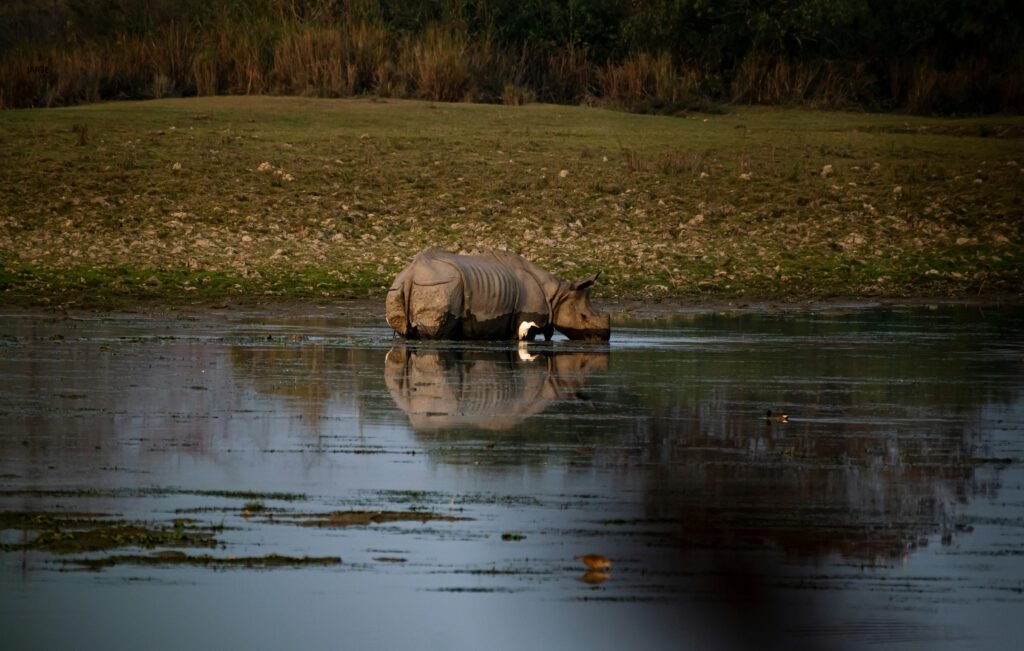
If you’re planning a wildlife adventure in Northeast India, Kaziranga National Park should be on your travel bucket list. Located in the beautiful state of Assam, this UNESCO World Heritage Site is globally famous for its population of the endangered one-horned rhinoceros. However, choosing the right season to visit is crucial for a memorable experience. Weather, wildlife visibility, and safari accessibility all depend on the time of year.
Let’s explore when and why you should visit Kaziranga.
Climate Overview of Kaziranga
Kaziranga experiences three primary seasons:
- Winter (November to February)
- Summer (March to May)
- Monsoon (June to September)
The park typically remains open from November to April, and it closes during the monsoon season because of heavy rainfall and flooding caused by the Brahmaputra River.
Now, let’s break down each season to understand which is the best.
🌿 Winter (November to February) – The Ideal Time
Winter is widely regarded as the best season to visit Kaziranga National Park — and for good reason.
1. Pleasant Weather
During winter, temperatures range between 8°C to 25°C, creating perfect conditions for wildlife safaris. Early mornings are slightly chilly, especially during jeep or elephant safaris, but the overall climate is comfortable and refreshing compared to the rest of the year.
2. Excellent Wildlife Sightings
This is the prime season for spotting wildlife because:
- Grasslands become shorter after monsoon floods.
- Animals roam more freely in open areas.
- Water bodies attract large groups of animals.
Visitors often spot:
- One-horned rhinoceroses
- Royal Bengal tigers
- Wild buffalo
- Swamp deer
- Asian elephants
- Numerous migratory birds
Winter also transforms Kaziranga into a paradise for birdwatchers. Migratory birds from Central Asia and Europe flock to the wetlands, making it a dream season for photography enthusiasts.
3. Full Safari Operations
All major safari zones — Central, Western, and Eastern ranges — are usually open during winter. This increases your chances of diverse wildlife sightings and offers more flexibility in planning your safaris.
Best months: December and January provide the most balanced experience with cool weather and excellent visibility.
☀ Summer (March to May) – For Serious Wildlife Enthusiasts
Summer is not the most comfortable time weather-wise, but it has its own benefits.
Pros:
- Animals gather around water sources.
- Higher chances of spotting elusive species like tigers.
- Fewer crowds compared to peak winter season.
Cons:
- Temperatures can rise up to 35–40°C.
- Safaris may feel exhausting under the heat.
If you can tolerate warm weather, April is often considered decent for wildlife sightings, especially predators.
🌧 Monsoon (June to September) – Not Recommended
Monsoon season brings heavy rainfall to Kaziranga, and the park remains mostly closed during this time.
Why avoid monsoon?
- Frequent flooding from the Brahmaputra River.
- Safari zones are inaccessible.
- Travel disruptions due to waterlogged roads.
However, monsoon is vital for the ecosystem. The floods rejuvenate the grasslands, replenish water bodies, and help maintain the biodiversity that makes Kaziranga so unique.
Final Verdict: When Should You Go?
If you are looking for:
✔ Comfortable temperatures
✔ Maximum wildlife visibility
✔ Open safari routes
✔ Great photography conditions
Then November to February is undoubtedly the best season to visit Kaziranga National Park.
Winter offers the perfect combination of favorable climate, rich wildlife activity, and smooth accessibility — making it the most rewarding time for tourists.
Helpful Travel Tips
- Book safari permits in advance, especially during December and January.
- Choose early morning safaris for the best wildlife encounters.
- Carry light woolens for chilly mornings.
- Follow park guidelines for a responsible and safe experience.
Conclusion
Kaziranga National Park is one of India’s greatest wildlife treasures. While each season has its own charm, winter stands out as the most suitable and enjoyable time to explore this iconic national park. Plan your visit wisely, and you’ll witness some of the most incredible wildlife moments India has to offer.