Can You Really Spot Tigers in India? Expert Safari Tips
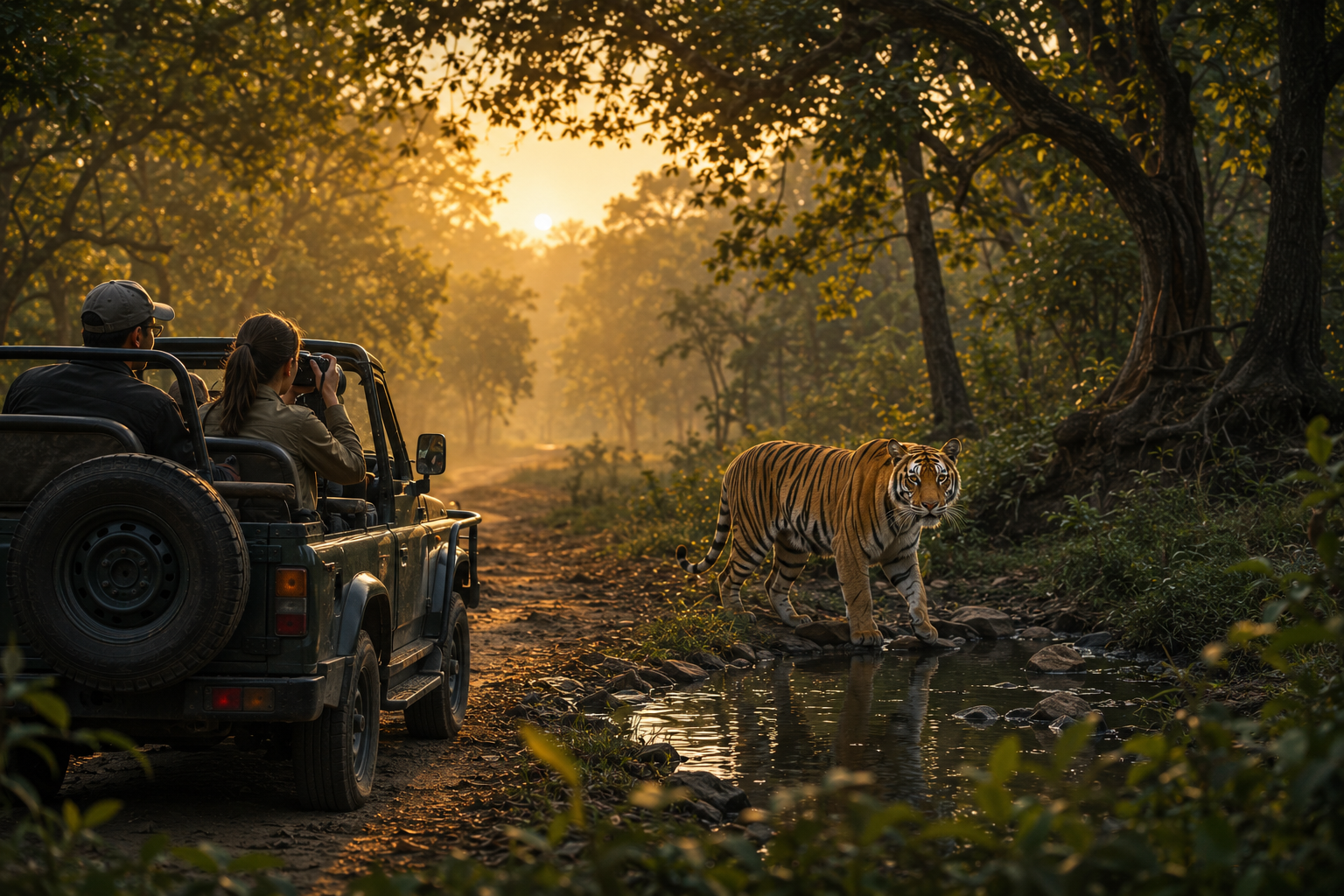
There are few wildlife experiences as exciting as seeing a tiger in the wild. Imagine driving quietly through the forest, watching the trees and listening to the sounds around you. Suddenly, your guide asks everyone to stay quiet. A few moments later, a Bengal tiger appears between the trees. For many travellers, this is the moment they dream about when planning a safari in India.
But can you really spot tigers in India? The answer is yes. India is one of the best places in the world to see Bengal tigers in their natural habitat. However, a tiger sighting is never guaranteed. Tigers are wild animals, and finding one requires the right destination, good timing, patience and a little luck. If seeing a tiger is high on your travel list, these expert tiger sighting tips in India can help you plan a better safari experience.
Choose the Right Tiger Reserve
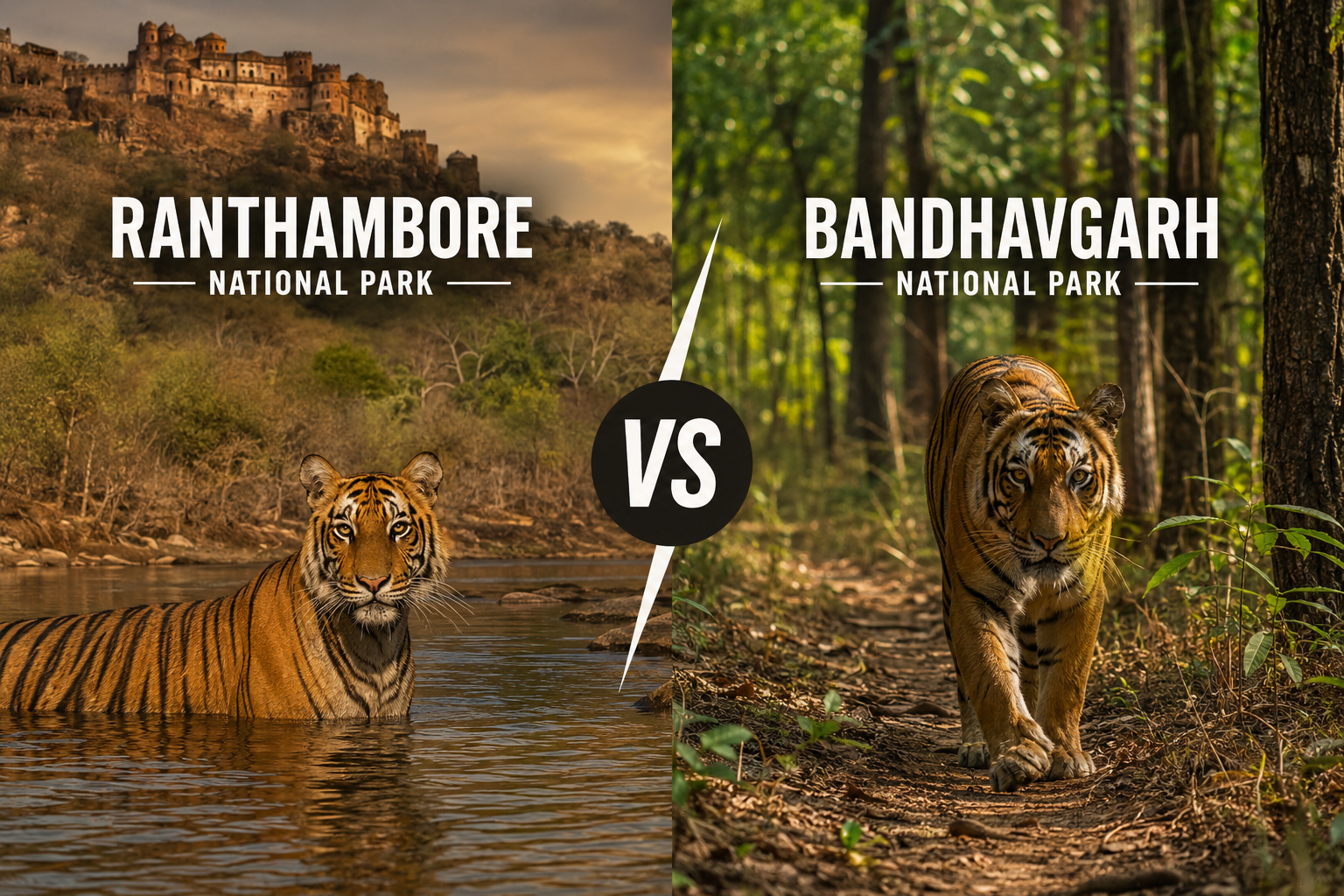
India has several famous tiger reserves, and choosing the right one is an important part of planning your safari. Ranthambore National Park in Rajasthan is one of India’s most popular destinations for tiger safaris. Its combination of forests, lakes, grasslands and historic ruins creates a beautiful setting for wildlife photography and exploration. Bandhavgarh and Kanha in Madhya Pradesh are also well known among wildlife enthusiasts, while Pench offers a fascinating forest experience. Tadoba Andhari Tiger Reserve in Maharashtra has also become increasingly popular with travellers hoping to see tigers in the wild.
Every tiger reserve is different. Some have open landscapes where animals can be easier to observe, while others have thicker forests where spotting wildlife requires more patience. Choosing a destination based on your travel dates, safari preferences and wildlife interests can make a significant difference to your overall experience.
When Is the Best Time to See Tigers?
Timing matters when planning a tiger safari in India. The dry months, particularly from March to June, are often considered a good period for tiger sightings. As temperatures rise and water becomes less available, wildlife may spend more time around remaining water sources. Tigers can also become easier to spot when vegetation becomes less dense.
The cooler months from October to February are also excellent for travellers who want pleasant weather and beautiful forest scenery. Wildlife activity can still be rewarding during this period, although dense vegetation may sometimes make animals harder to see. Before booking your safari, always check the current safari season and park rules for your chosen destination because conditions can vary between different reserves.
Never Depend on One Safari
One of the most important tiger sighting tips in India is to avoid depending on a single safari. A tiger may appear during your first drive, but there is no guarantee. You could spend several hours exploring the forest without seeing one and then suddenly encounter a tiger on another safari. This is completely normal because tigers have large territories and can spend much of their time hidden in vegetation.
Taking multiple safari drives gives you more opportunities to explore different areas and observe changing wildlife activity. Your guide may also have information about recent sightings, pugmarks and animal movements. If seeing a tiger is the main reason for your trip, planning several safari drives can give you a better opportunity to experience one of India’s most magnificent wild animals.
Learn to Read the Jungle
The forest often gives you clues that a tiger may be nearby before you actually see it. Experienced guides pay close attention to alarm calls from spotted deer, sambar and langurs. These animals can react strongly when they notice a predator in the area.
Fresh pugmarks can also provide valuable information about recent tiger movement. A skilled naturalist knows how to combine these signs with knowledge of the terrain, weather and recent wildlife activity. This is why travelling with an experienced guide can make your safari much more interesting. Instead of simply looking between the trees for orange stripes, take the time to understand what the forest is telling you.
Stay Quiet and Be Patient
A tiger safari is not an experience where you should rush. You may spend a long time driving through the forest without seeing a major predator. Then, without warning, everything can change. You might hear an alarm call, your driver may suddenly stop and your guide may point towards the trees. And there it is.
A tiger could be walking across the track, resting under a tree or slowly approaching a waterhole. These moments can last only a few seconds, so staying alert is important. Keep conversations quiet and avoid unnecessary movement inside the vehicle. Most importantly, be patient. Wildlife does not follow a schedule, and sometimes the most rewarding sightings happen when you least expect them.
Respect the Animal
Getting close to a tiger may sound exciting, but responsible wildlife tourism should always be more important than getting the perfect photograph. Never ask your driver to chase a tiger or move dangerously close to an animal. Do not make loud noises to attract its attention, and never try to feed or disturb wildlife.
Always follow the instructions of your guide and maintain a respectful distance. The best tiger encounter is one where the animal behaves naturally and you simply have the privilege of watching it. Respecting wildlife also helps protect the natural environment and ensures that future travellers can enjoy the same experience.
Look Beyond the Tiger
Of course, everyone wants to see a tiger, but a national park is much more than its most famous resident. During your safari, you may see spotted deer, sambar, langurs, crocodiles, wild dogs, sloth bears, leopards and countless bird species, depending on the reserve.
These encounters are an important part of the safari experience. Even if a tiger decides to remain hidden during your visit, travelling through an Indian forest can still be unforgettable. Every sound, animal sighting and landscape adds something different to your journey.
Plan Your Safari with Safari Sutra
A successful wildlife holiday starts long before you enter the forest. Choosing the right reserve, deciding how many safari drives to take, selecting suitable accommodation and planning your travel around the best season can all improve your experience.
At Safari Sutra, the focus is on creating meaningful wildlife experiences rather than simply arranging a standard holiday. Every safari offers an opportunity to discover India’s incredible forests, understand its wildlife and experience nature at its own pace. Whether you are visiting India for your
first tiger safari, travelling with family or planning a dedicated wildlife adventure, thoughtful planning can help you make the most of your time in the jungle.
Final Thoughts
So, can you really spot tigers in India? Absolutely. But the magic of a tiger safari comes from understanding that nothing is guaranteed. You can choose the right reserve, travel during a favourable season, take multiple safaris and travel with experienced guides. Still, the final decision belongs to the tiger.
That is exactly what makes the experience so special. You may spend hours searching the forest and see nothing. Then, when you least expect it, a Bengal tiger may step out from the trees and walk calmly across your path. For a few unforgettable seconds, the entire forest seems to stop.
That is the magic of seeing a tiger in the wild.